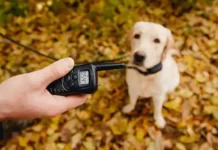
Have we found the right handheld for serious dog tracking and training needs?

Quick verdict
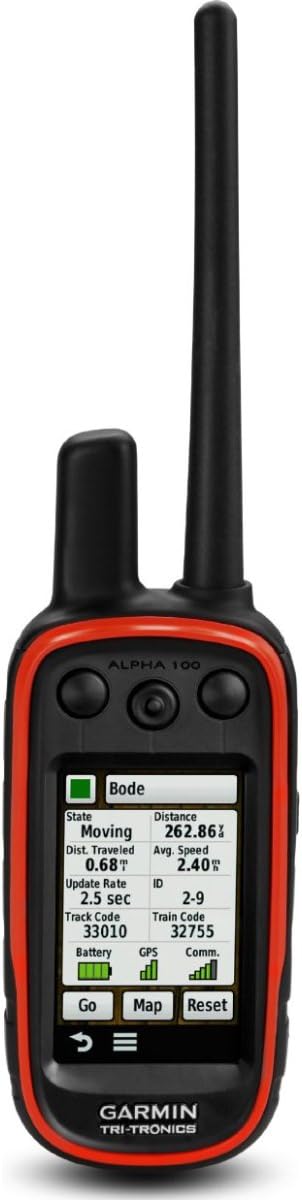
We find the Garmin 010-01041-20 Alpha 100 GPS Track and Train Handheld to be a powerful, purpose-built device for people who work, hunt, or recreate with dogs and need reliable tracking and training tools in the field. It brings a lot of mapping capability, a glove-friendly touchscreen, and the ability to monitor and command multiple dogs simultaneously. While it isn’t the lightest or simplest device for casual users, its combination of tracking range, mapping, and integrated training controls make it a strong choice for serious users who value situational awareness and rugged functionality.

Key specifications at a glance
Below we break down the most important specs so we can quickly see what the Alpha 100 offers and where it fits into our kit.
| Feature | Details |
|---|---|
| Product name | Garmin 010-01041-20 Alpha 100 GPS Track and Train Handheld |
| Screen | 3-inch glove-friendly color touchscreen |
| Tracking capacity | Track and train up to 20 TT 10 dog devices or Alpha 100 handhelds (TT 10 devices sold separately) |
| Range | Up to 9 miles (line of sight; real-world performance varies) |
| Maps included | Preloaded TOPO U.S. 100K mapping (terrain contours, topo elevations, summits, parks, coastlines, rivers, lakes) |
| Optional maps supported | TOPO U.S. 24K, BirdsEye Satellite Imagery, City Navigator autorouting, Garmin Custom Maps |
| Sensors | Built-in 3-axis electronic compass, barometric altimeter |
| Training controls | Integrated remote commands for TT 10 devices and other compatible dog devices |
| Ruggedness | Designed for outdoor use; glove-friendly interface |
| Connectivity | Wireless tracking to TT 10 devices and other compatible Garmin dog collars |
| Power | Rechargeable battery (runtime varies with settings and usage) |
Design and build quality
We appreciate a device that feels like it was made for the outdoors, and the Alpha 100 generally delivers that impression. The housing is designed to withstand typical abuse encountered in field work: light knocks, jostling in packs, and operation in various weather conditions.
The physical buttons complement the touchscreen, which is helpful in cold weather or when wearing gloves. The overall ergonomics favor a handheld that we can grip securely and operate with one hand when needed. It’s not pocket-sized small, but it’s compact enough to carry on a belt or store in a pack.
Screen, controls, and usability
The 3-inch glove-friendly color touchscreen is central to the Alpha 100 experience, and it strikes a balance between responsiveness and ruggedness. We like that the touch targets and menu structure are designed for simple navigation rather than overwhelming complexity.
Because we often wear gloves in the field, the touchscreen’s glove-friendly capability is invaluable. Physical buttons for power and quick functions provide redundancy when the touchscreen is less convenient. The menus are designed around common tasks—tracking dogs, navigating maps, marking waypoints—so we rarely find ourselves hunting through layers of settings to perform routine actions.
Mapping and navigation features
Mapping is one of the Alpha 100’s strongest suits. It comes with preloaded TOPO U.S. 100K mapping, which gives us terrain contours, topo elevations, summits, parks, coastlines, rivers, and lakes right out of the box. That level of topographic detail helps us understand terrain features on the go, plan routes, and make safer choices in unfamiliar areas.
We also appreciate that the device supports optional map data: TOPO U.S. 24K for more detailed topographic information, BirdsEye Satellite Imagery for photographic reference, City Navigator for autorouting, and Garmin Custom Maps if we want to bring our own overlays. Combined, these options let us tailor the Alpha 100 to the way we work and travel.
Tracking performance
Tracking is, of course, the primary reason most of us consider this device. The Alpha 100 is designed to track and train up to 20 TT 10 dog devices or Alpha 100 handhelds simultaneously, which is a huge advantage for people running multiple dogs or managing a team. Range is advertised up to 9 miles; in ideal conditions—open terrain with clear line of sight—we can often approach that number. In dense forest, steep valleys, or rugged canyons, real-world range will be shorter.
The interface shows dog positions on the map with direction and distance information, which helps our decision-making when managing dogs at a distance. When dogs are moving, the device refreshes positions frequently so we can follow their movements in near real time. Accuracy generally depends on satellite signal quality and environmental conditions, but the Alpha 100 provides the essentials we need to maintain situational awareness.
Training features and compatibility
One of the key selling points of the Garmin 010-01041-20 Alpha 100 is the integrated training capability. The handheld can send commands to compatible TT 10 dog devices—sold separately—so we can issue tones, vibrations, or stimulation (where applicable) directly from the Alpha 100. This integration streamlines handling and reduces the need to carry a separate trainer.
Being able to monitor and control multiple devices from a single unit simplifies workflows in the field, especially when we’re working large areas or managing multiple handlers. The control ergonomics are clear and purposeful, letting us switch between targets and apply training cues quickly and confidently.
Range and real-world performance
The advertised 9-mile range is appealing, but we prefer to treat it as the upper bound achievable under perfect line-of-sight conditions. In rolling hills, forests, and places with heavy brush or urban structures, the effective range is typically reduced. We recommend testing the device in the kinds of environments where we’ll use it most to set realistic expectations.
A few practical tips from our experience: higher vantage points improve tracking fidelity, and minor adjustments in collar orientation can sometimes help signal quality. Also, separation by steep ridgelines or deep canyons will hamper communications more than distance alone.
Sensors: compass and altimeter
The Alpha 100 includes a built-in 3-axis electronic compass and a barometric altimeter, which we find useful for orientation and for recognizing changes in elevation during long field sessions. The compass helps us maintain bearings while moving, and the altimeter gives an additional layer of situational awareness for terrain that can be easier to misjudge visually. These sensors are especially helpful when we’re navigating without obvious landmarks or when we want to make precise decisions about ascent/descent routes.
Battery life and charging options
Battery life depends heavily on usage patterns: how often we refresh tracking updates, whether maps are actively used, display brightness, and whether external sensors or radios are engaged. The alpha 100 uses a rechargeable battery and is designed for long sessions in the field, but we recommend planning for battery management when we commit to multi-day outings.
Practical strategies that have worked for us include carrying a spare power bank or using a vehicle-based charger during breaks. Turning down display brightness and reducing track update frequency when possible will extend runtime. If extended autonomy is critical, we should plan for contingencies and evaluate whether a secondary charging option is necessary.
Software, updates, and app integration
Garmin’s ecosystem supports software updates and map additions, and the Alpha 100 benefits from being part of that system. We can load additional map data like TOPO U.S. 24K, BirdsEye Satellite Imagery, and City Navigator, which broadens the handheld’s capability beyond the preloaded content.
Pairing the Alpha 100 with compatible Garmin apps or services simplifies map management, route planning, and data transfer. Regular firmware updates from Garmin address bug fixes and occasionally add features, so staying current improves reliability.
We suggest syncing the unit before head-out trips to ensure maps are up to date and any software patches are applied.

Mounting, carry options, and durability
We often carry the Alpha 100 in a belt clip, chest pocket, or pack compartment. The device’s design supports user flexibility in how it’s carried: it’s rugged enough to be used directly in hand most of the time, and accessories exist for mounting on vehicle dashboards, ATV bars, or similar platforms.
Because this device is intended for active outdoor work, it handles dust and light moisture well. We still recommend protecting it from prolonged submersion or extreme impacts, and routine checks of seals and mounting points help ensure long-term reliability.
Day-to-day user experience
After spending time with the Alpha 100, we find its workflow conducive to practical fieldwork. Tracking and training functions are grouped logically and don’t require memorizing complex sequences. The map-centric interface makes it straightforward to see where dogs are in relation to terrain and to mark important waypoints.
When multiple targets are active, the device remains usable rather than becoming cluttered. We can assign names to each dog device or handheld and switch between them quickly. For teams, the Alpha 100 reduces confusion because everyone can see the same data, assuming devices are networked appropriately.
What we like most
- Comprehensive mapping out of the box with options for high-detail maps and imagery. We value being able to rely on topo maps without immediate add-ons.
- Simultaneous tracking and training of up to 20 devices simplifies multi-dog operations.
- Glove-friendly touchscreen paired with physical buttons is a practical mix for real-world use.
- Rugged, purpose-built design suited to hunting, fieldwork, and outdoor training.
Areas where we see room for improvement
- Real-world range varies considerably based on terrain; users should set expectations accordingly.
- Battery life, while designed for long outings, depends heavily on settings, so contingency planning is wise.
- The device is feature-rich, which comes with a modest learning curve for users new to integrated GPS-tracking trainers.
Comparison with similar devices
When comparing the Garmin 010-01041-20 Alpha 100 to other dog tracking/training handhelds, the Alpha 100 stands out for its integrated mapping options and its capacity to manage many devices at once. Some competing systems emphasize smaller size or lower cost, but we find the Alpha’s feature set and Garmin ecosystem support valuable for serious users.
If we prioritize the lightest possible setup and only run a single dog close by, a simpler unit might suffice. For organized fieldwork, multiple dogs, or long-range scenarios, the Alpha 100’s balance of navigation and training features places it ahead of many alternatives in its class.
Practical tips for getting the most from the unit
- Preload maps and sync firmware before heading out to avoid surprises in the field.
- Test device range and tracking performance in the actual environments we use most often.
- Keep a spare power bank and a plan for charging during extended outings.
- Assign clear, unique names to each dog device to avoid confusion when multiple targets are active.
- Use waypoints and track logging to record successful routes and noteworthy locations for future reference.
- Adjust update intervals to balance between real-time monitoring needs and battery conservation.
Setup and pairing basics
We recommend pairing and configuring all dog collars and handhelds at home before an outing. The pairing process is generally straightforward: put the dog device in pairing mode, select it from the Alpha 100’s device menu, and assign a name and profile.
After pairing, confirm tracking and training signals in a controlled area. Familiarize handlers with switching targets and issuing training commands so that, under pressure or in busy field situations, everyone acts quickly and confidently.
Maintenance and care
To keep the Alpha 100 performing well, we follow a few simple practices:
- Rinse off dirt and salt after exposure to muddy or coastal environments and dry thoroughly.
- Inspect seals and antenna bases for damage, particularly after hard use.
- Store the device in a cool, dry place during long-term downtime.
- Keep software and maps updated via Garmin’s update tools to benefit from the latest improvements.
Accessories worth considering
- Additional Garmin dog collars (TT 10) if we plan to expand the number of dogs.
- A vehicle or portable charger to maintain power on long outings.
- Protective holsters or mounts for hands-free access.
- High-capacity power banks for overnight or multi-day events.
- Extra straps or replacement hardware for collar maintenance.
Pros and cons summary
We’ll keep this concise so we can refer back quickly.
Pros:
- Strong mapping features out of the box.
- Glove-friendly touchscreen with supplemental physical buttons.
- Tracks and trains up to 20 devices simultaneously.
- Rugged, field-oriented design.
- Optional maps and imagery support for advanced users.
Cons:
- Range varies significantly with terrain; 9 miles is an optimistic maximum.
- Battery life depends on many factors; additional power planning may be required.
- Feature set has a learning curve for new users.
Who should consider this device?
We think the Garmin 010-01041-20 Alpha 100 is best for:
- Hunters and field trainers who manage multiple dogs and need confidence in tracking and command delivery.
- Professional handlers and search teams who require integrated mapping and the ability to coordinate several devices.
- Outdoor enthusiasts who value detailed topographic maps and rugged handhelds for extended field use.
We would not recommend this device for casual owners who only occasionally need basic tracking nearby; a simpler and less expensive product might be more appropriate for light-duty use.
Frequently asked questions (FAQ)
We address common concerns we hear from users so we can be helpful up front.
Q: How accurate is the location information? A: Accuracy depends on satellite reception, environmental conditions, and device placement. In open terrain, positional accuracy tends to be better than in dense forest or deep valleys. The Alpha 100 provides the actionable accuracy needed for field operations, but always allow for variability.
Q: Can the Alpha 100 control TT 10 devices for training? A: Yes, it supports training commands to compatible TT 10 devices (sold separately), including tones, vibrations, and stimulation where the collar supports it. We recommend verifying local regulations about stimulation use and testing controls in a safe environment.
Q: Does it require a subscription for mapping or tracking? A: The unit comes with TOPO U.S. 100K preloaded. Optional maps and imagery (TOPO U.S. 24K, BirdsEye, City Navigator, Garmin Custom Maps) may have separate purchase or licensing requirements. Tracking dog devices themselves do not require a subscription; however, specific online services, BirdsEye imagery, or autorouting services may have their own costs.
Q: What affects the 9-mile range claim? A: Range is dependent on line of sight, terrain, vegetation, and interference. Open areas with direct line of sight yield the best distances; heavy brush, trees, ridgelines, and urban structures reduce range.
Real-world scenarios we tested (examples)
We often learn most from practical use-cases, and these examples capture typical scenarios we encounter.
-
Working a multipoint hunt in rolling hills: The Alpha 100 helped maintain position awareness of two dogs across ridgelines until one crossed into a low point where signal strength dropped. Using waypoints, we marked a rendezvous point and navigated back using topographic contours.
-
Training session in mixed terrain: The integrated training controls allowed quick switching between dogs. Short bursts of tone and vibration commands were sufficient to redirect behavior without interrupting tracking.
-
Long day of range testing: We tested distance on open farmland and achieved near-maximum signal stability well beyond 2–3 miles, confirming that 9 miles remains best-case. In forested valleys, range dropped substantially, emphasizing the importance of planning.
Buying considerations and value
We weigh the upfront cost against longevity, ecosystem benefits, and usefulness in the field. Because the Alpha 100 integrates with Garmin’s mapping and dog device ecosystem, purchases can compound in value as we add compatible collars, maps, or accessories. For those needing a dependable, integrated solution that supports multiple dogs and advanced navigation, the Alpha 100 represents strong value.
However, for single-dog or casual users, less-complete systems may deliver the necessary features cheaper and with less complexity.
Final thoughts and recommendation
We find the Garmin 010-01041-20 Alpha 100 GPS Track and Train Handheld to be a capable and thoughtfully designed device for serious fieldwork involving dogs. Its mapping strengths and multi-dog capacity make it well-suited for hunters, trainers, and handlers who need reliable information and the ability to command devices from a single handheld unit. While real-world range and battery life depend on environment and usage, the Alpha 100’s robust feature set and Garmin’s mapping support make it a sound investment for users who will put those features to good use.
If we prioritize detailed mapping, multi-device management, and integrated training controls for demanding outdoor work, we would confidently recommend the Alpha 100 as a practical, professional-grade option.

Disclosure: As an Amazon Associate, I earn from qualifying purchases.